
American With Canadian Ancestry? You May Already Be a Canadian Citizen
For many
Americans, Thanksgiving is celebrated in late November. In Canada, Thanksgiving
comes much earlier, on the second Monday of October.
For some
Americans with Canadian ancestry, that October holiday may have more meaning
than they realize.
This is the
first Canadian Thanksgiving since Bill C-3 took effect on December 15, 2025.
The law changed Canada’s citizenship-by-descent rules and may allow some people
born outside Canada to be recognized as Canadian citizens through an unbroken
family line to a Canadian ancestor.
In some cases,
the Canadian ancestor may be several generations back.
Canada and
the U.S. Celebrate Thanksgiving on Different Dates
Canada and the
United States both have long Thanksgiving traditions, but they celebrate on
different dates.
In the United
States, Thanksgiving is held on the fourth Thursday of November.
In Canada,
Thanksgiving is celebrated on the second Monday of October.
Canada’s
earlier date is often linked to its earlier harvest season because much of the
country is farther north.
The Canadian
holiday was officially fixed to the second Monday in October in 1957.
Bill C-3
Changed Citizenship by Descent Rules
Before December
15, 2025, Canada generally limited citizenship by descent to the first
generation born outside the country.
This meant that
a Canadian citizen who was also born outside Canada often could not
automatically pass citizenship to a child who was also born abroad.
Bill C-3
changed that rule.
For people born
before December 15, 2025, the first-generation limit was removed in many
situations.
As a result,
someone with a direct and unbroken family line to a Canadian ancestor may
already be a Canadian citizen, even if the family has lived outside Canada for
several generations.
You May
Already Be a Citizen
If the law
applies to your situation, you do not apply to become Canadian.
Instead, you
apply for proof of Canadian citizenship.
If IRCC
confirms your status, you receive a Canadian citizenship certificate.
That
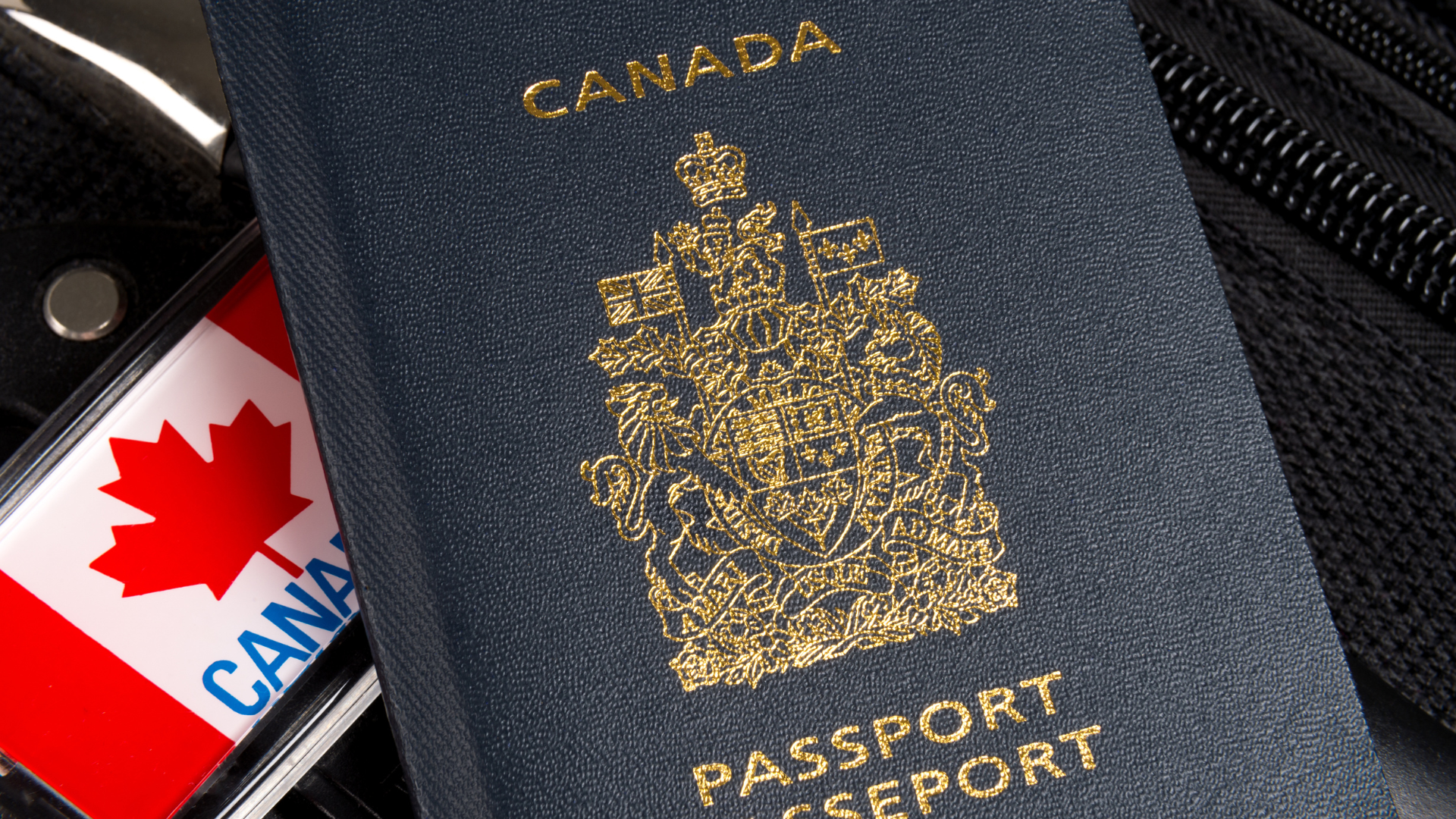
certificate can then be used to apply for a Canadian passport.
Because
citizenship already exists under the law in these cases, applicants do not
normally need to complete the usual naturalization requirements such as:
- A citizenship test
- A language test
- A residency period
- A citizenship oath
How Far Back
Can the Canadian Ancestor Be?
A
citizenship-by-descent claim can potentially go through:
- A parent
- A grandparent
- A great-grandparent
- An earlier direct ancestor
The important
part is that there is a direct parent-to-child chain from the Canadian ancestor
to the applicant.
The farther
back the family history goes, the more records may be needed to prove each
generation.
Thanksgiving
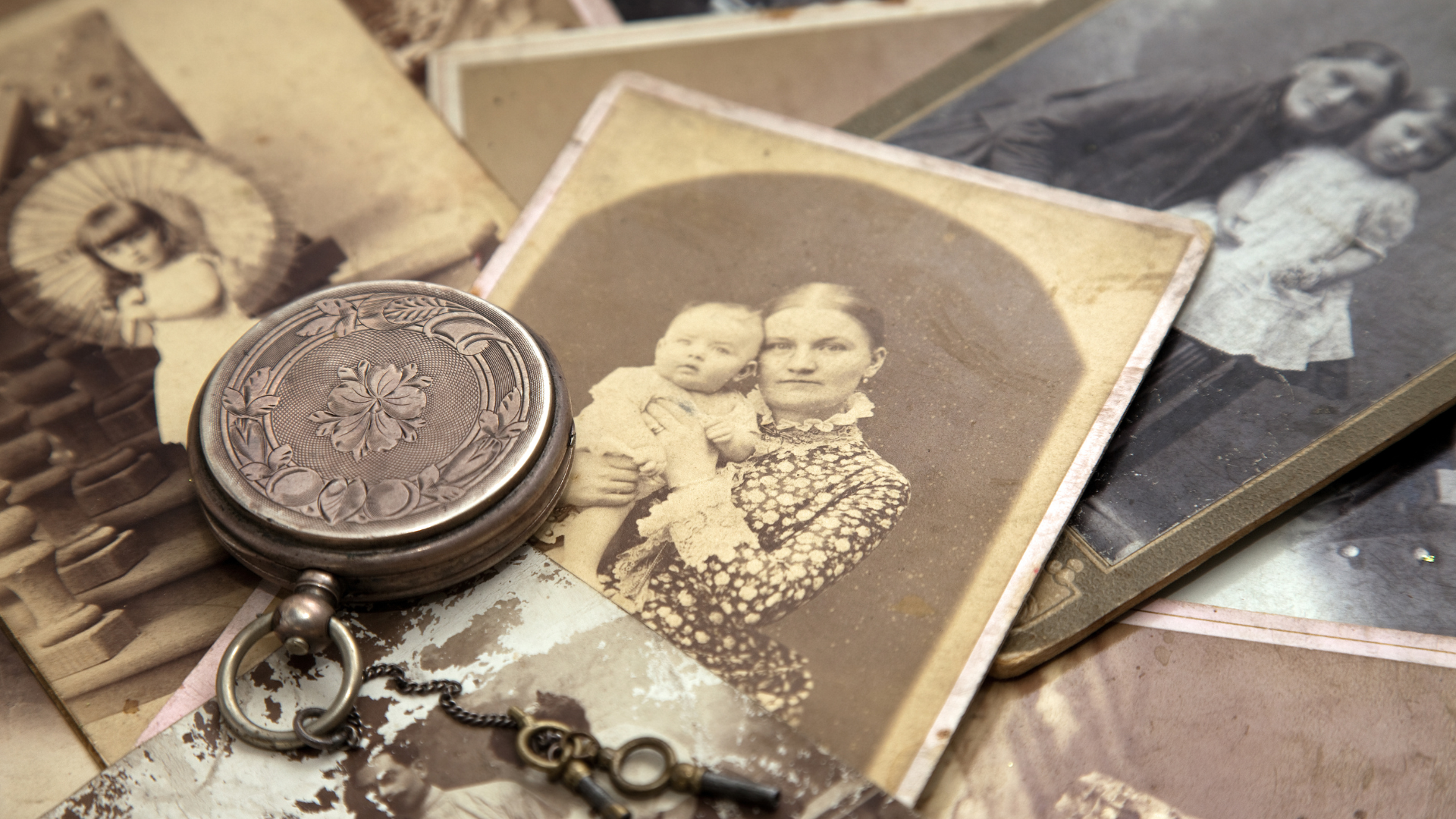
Can Be a Good Time to Research Family History
Family
gatherings can be a useful opportunity to ask older relatives about family
history.
Questions that
may help include:
- Where were your parents and
grandparents born?
- Was anyone in the family born in
Canada?
- Did any relative later become a
U.S. citizen?
- Did anyone speak French at home?
- Has the family surname changed over
time?
- Did any relatives move between
Canada and the United States?
- Does anyone still have old family
documents?
Useful old
records may include:
- Birth certificates
- Marriage records
- Baptismal certificates
- Family Bibles
- Obituaries
- Naturalization records
- Immigration documents
Even a small
detail, such as a town name or original surname spelling, can help identify the
correct Canadian family line.
Which
American Families May Be More Likely to Have Canadian Ancestry?
Some regions of
the United States have particularly strong historical connections to Canada.
French-Canadian
Families in New England
Large numbers
of French Canadians moved from Quebec to New England during the nineteenth and
early twentieth centuries.
As a result,
families in states such as Maine, Massachusetts, Rhode Island and New Hampshire
may have Canadian ancestry.
Cities with
strong French-Canadian histories include Lewiston, Maine and Woonsocket, Rhode
Island.
Families in
U.S. Border States
Families in
states close to Canada may also have Canadian relatives in their family
history.
This can
include people in:
- Michigan
- New York
- Minnesota
- Vermont
- Maine
- North Dakota
- Other border states
Historically,
many people crossed the Canada-U.S. border for employment, marriage or family
reasons.
Families
With Changed Surnames
Some immigrant
families changed or translated their surnames after moving to the United
States.
For example, a
French surname may have been translated into an English version.
A changed
surname can be a helpful research clue, but it is not proof of Canadian
citizenship by itself.
Family
Stories Are Not Enough
Even if your
family has always said that a grandparent or great-grandparent was Canadian,
IRCC will normally require documentary evidence.
A
citizenship-by-descent application generally needs a clear chain of records
linking each generation.
This can
involve:
- Your birth certificate
- Your parent’s birth certificate
- Your grandparent’s birth
certificate
- Marriage records where names
changed
- Your Canadian ancestor’s birth or
citizenship record
The documents
should usually come from the original government authority or official archive.
What If Some
Documents Are Missing?
Older family
records are not always easy to find.
A birth may not
have been registered, documents may have been lost, or names may appear
differently in different records.
Missing
documents do not always end a citizenship claim.
Applicants may
be able to use alternative records, supporting evidence and a letter of
explanation to address gaps.
However, the
complete family chain still needs to be clear enough for IRCC to understand and
verify.
One Canadian
Ancestor May Affect Several Family Members
If one person
in a family confirms citizenship through a Canadian ancestor, other relatives
may also have similar claims.
This could
include:
- Siblings
- First cousins
- Children
- Other descendants of the same
Canadian ancestor
Because many
relatives share the same historical documents, one successful family research
effort can help several people prepare their own applications.
Each person
must still establish their own individual eligibility.
Can You Keep
U.S. Citizenship?
Yes.
Canada and the
United States both allow dual citizenship.
An American who
is recognized as a Canadian citizen generally does not need to give up U.S.
citizenship simply because Canadian citizenship is confirmed.
Why This
Matters After Bill C-3
Bill C-3
significantly expanded access to Canadian citizenship by descent for some
people born before December 15, 2025.
For many
families, a Canadian ancestor who seemed too far back to matter may now become
relevant.
Someone whose
Canadian connection comes through a grandparent, great-grandparent or earlier
direct ancestor may now have a citizenship claim that did not exist under the
previous first-generation limit.