

Major Immigration Bill Nears Approval: What It Means for Newcomers to Canada
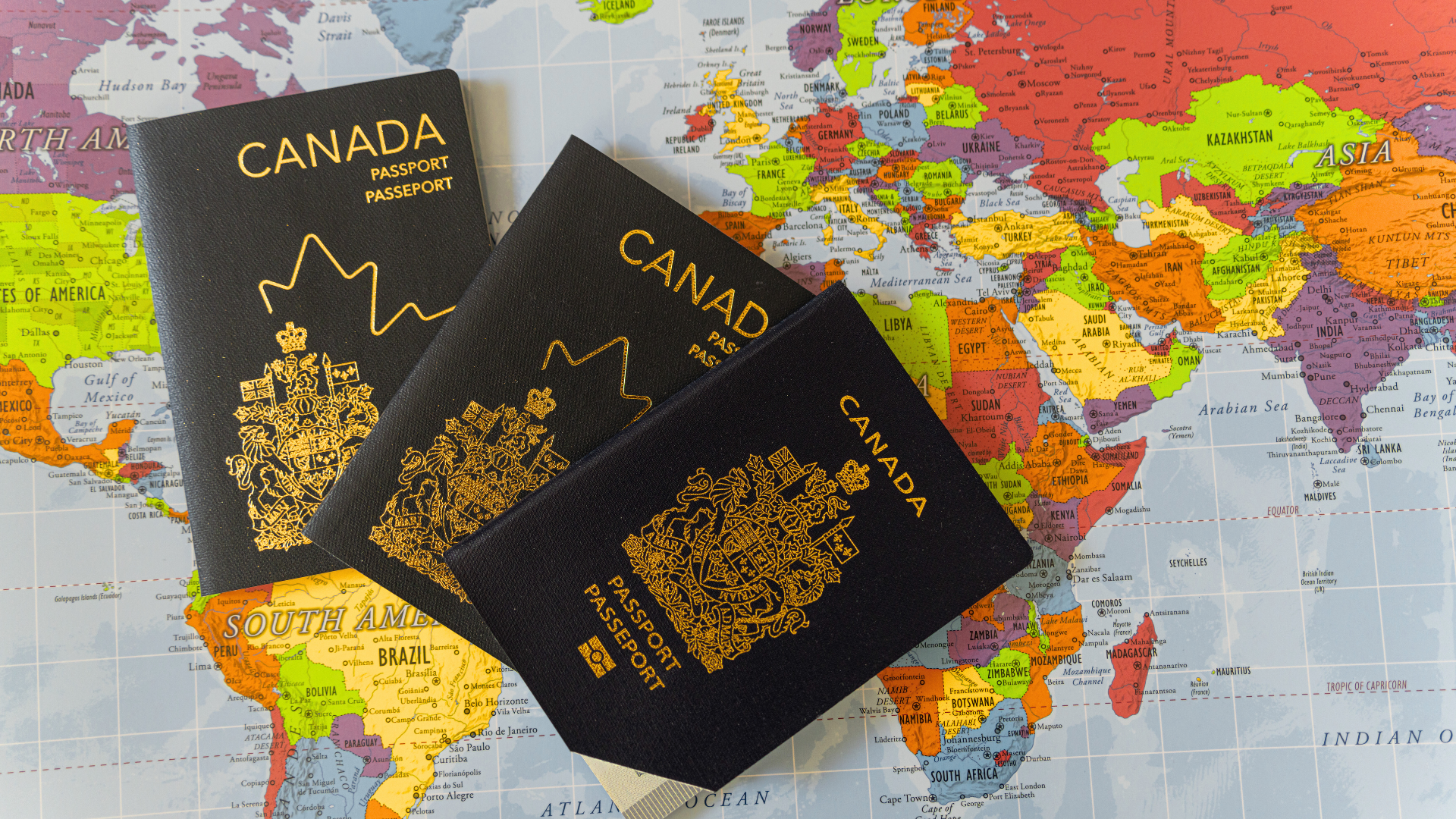
A major immigration bill is close to becoming law in Canada, and it could significantly affect how immigration applications and temporary resident documents are handled in the future.
The proposed legislation, Bill C-12, officially titled Strengthening Canada’s Immigration System and Borders Act, would give the federal government broad discretionary powers over immigration processing if it is passed in its current form.
What Powers Would Bill C-12 Introduce?
If Bill C-12 becomes law, the Governor General, acting on the advice of the federal Cabinet, would be allowed to:
Stop accepting new immigration applications for processing
Suspend or terminate the processing of applications that are already in progress
These powers would apply to a wide range of immigration documents, including:
Permanent residence applications and PR cards
Work permits
Study permits
Temporary resident visas
Electronic Travel Authorizations (eTAs)
In addition, the bill allows the government to amend or impose new conditions on temporary resident documents and on temporary residents themselves, such as workers, students, and visitors.
These conditions could be used to enforce compliance with laws and regulations beyond the Immigration and Refugee Protection Act (IRPA).
However, it is important to note that the bill does not give the government the power to grant permanent residence or to issue or extend work permits or study permits.
Why Is the Government Introducing These Changes?
The stated goal of Bill C-12 is to strengthen Canada’s immigration system and improve border integrity. The government argues that these new powers would help address issues such as administrative errors, fraud, public health concerns, public safety risks, and national security threats.
The bill includes several amendments that are meant to act as safeguards. These ensure that the powers can only be used when the government believes it is in the “public interest.”
Transparency and Oversight Measures
To prevent misuse of these broad powers, Bill C-12 includes transparency requirements. Whenever these powers are exercised, the Minister of Immigration must table a report in Parliament explaining:
Why the powers were used
How many applications or documents were affected
Who was impacted by the decision
This reporting requirement is intended to provide accountability and allow public and parliamentary scrutiny.
How Could This Affect Newcomers?
For newcomers, the bill may raise concerns because it allows large-scale pauses or changes to immigration processing. However, in cases involving fraud or administrative errors, applicants with genuine and accurate applications may actually benefit from clearer and more consistent enforcement.
The bill also proposes reforms to Canada’s refugee and asylum system, including giving officials more authority to declare certain claims abandoned or withdrawn under specific circumstances.
Is Bill C-12 Likely to Become Law?
Bill C-12 has already passed its third reading in the House of Commons and has completed its first reading in the Senate. It will become law if it passes the remaining Senate readings and receives royal assent.
The Senate is expected to resume consideration of the bill when it reconvenes in February 2026. Historically, it is very rare for the Senate to block legislation that has already been approved by the House of Commons, making it likely that Bill C-12 will become law.
What Should Applicants Do Now?
While the bill is not yet law, applicants should stay informed and plan carefully. Immigration policies are becoming more responsive to system pressures, and timely, accurate applications are more important than ever.